How It Works
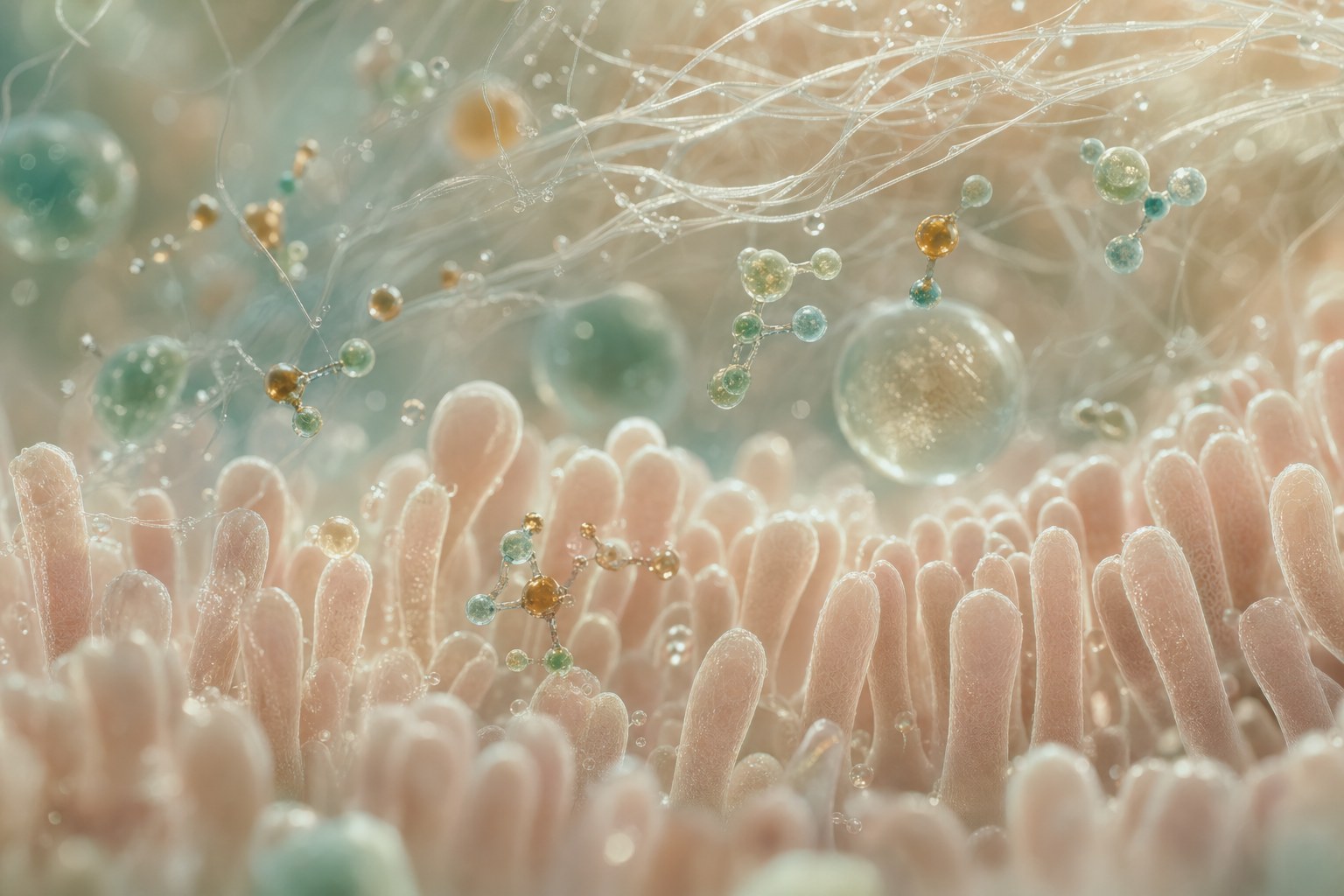
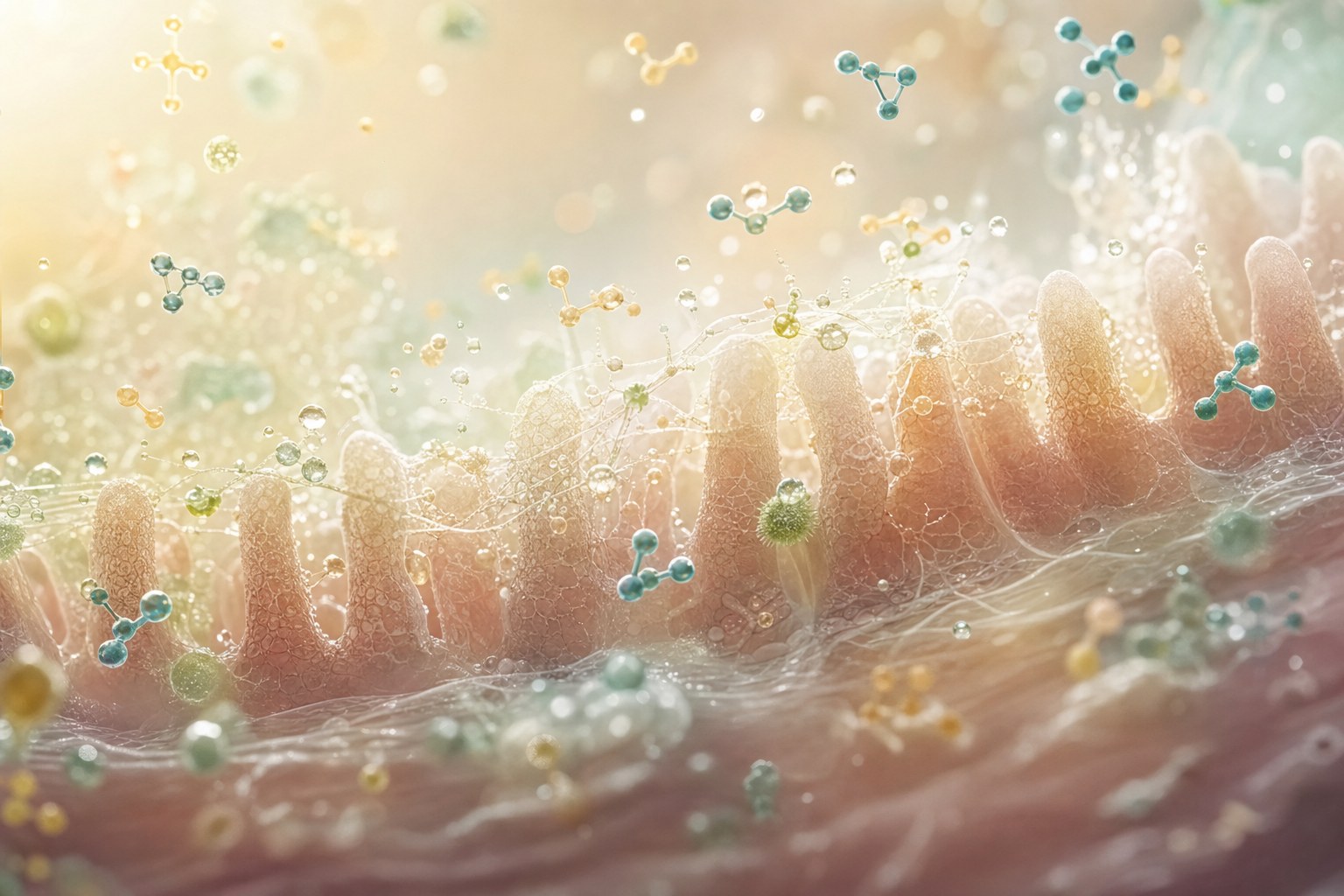
Tight junctions are microscopic protein seals that stitch the cells lining your intestine tightly to one another. The gut lining is only one cell thick, so these seals are what stop the space between cells from becoming an open doorway. Rather than being solid walls, they behave like adjustable gates: they let water, ions, and small nutrients pass through the narrow space between cells while holding back larger molecules, microbes, and undigested particles. In everyday terms, tight junctions help decide what belongs in your bloodstream and what should stay inside the gut. When they are well maintained, the barrier stays selective and calm; when they loosen, more material can slip through, which researchers describe using the concept of increased intestinal permeability, or "leaky gut."
The Science & Mechanism
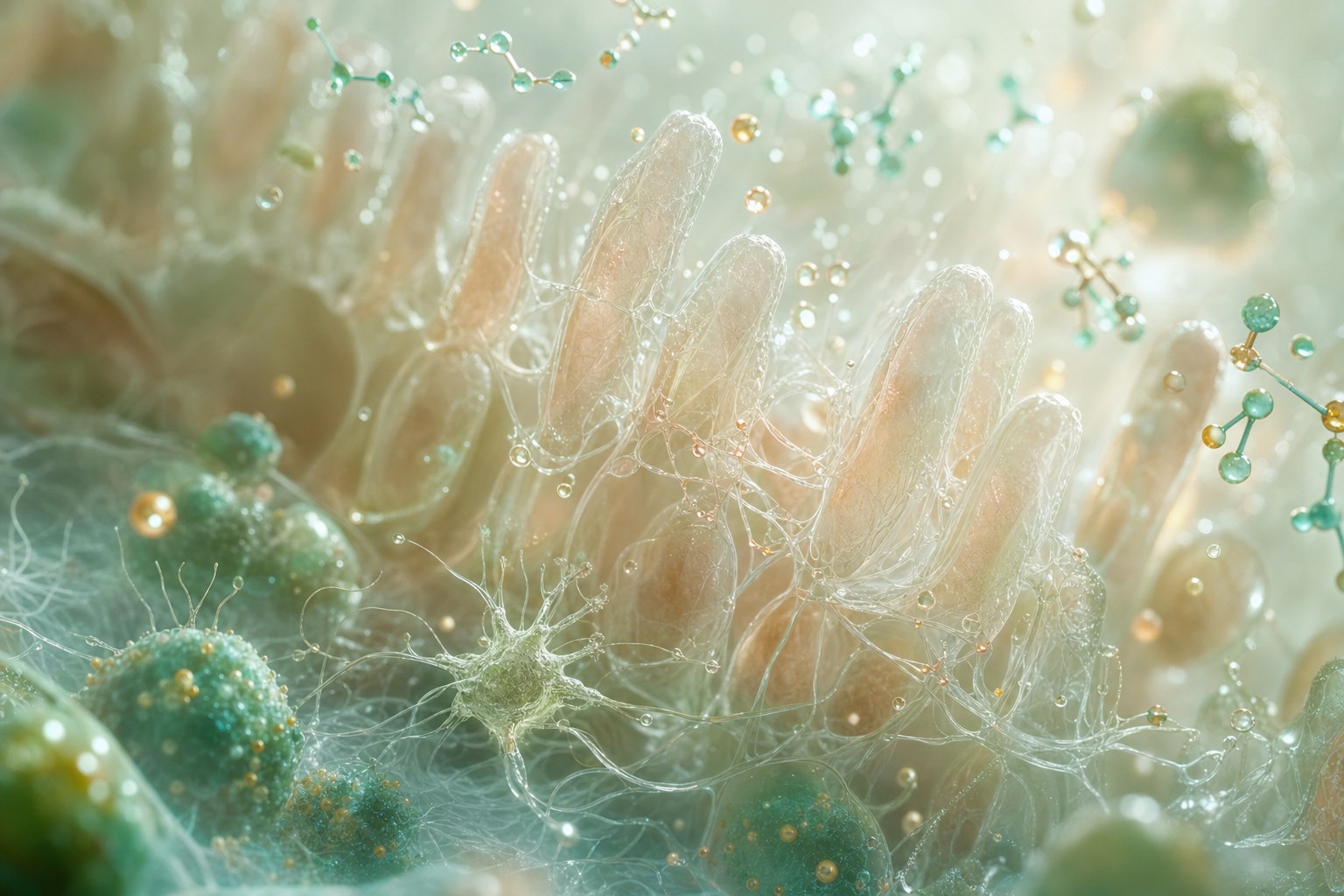
Tight junctions are multiprotein complexes at the apical border of adjacent intestinal epithelial cells, governing the paracellular pathway, the route between cells rather than through them. Their core components include transmembrane proteins such as claudins, occludin, and junctional adhesion molecules, anchored to the actin cytoskeleton by scaffolding proteins of the zonula occludens family (ZO-1, ZO-2, ZO-3). Different claudin family members create either pore-forming or barrier-forming properties, giving the junction charge- and size-selective permeability. This structure is dynamic: signaling through the myosin light-chain kinase (MLCK) pathway can contract the perijunctional actomyosin ring and reversibly open the junction, while zonulin is described in research as a modulator that can loosen tight junctions in response to certain stimuli. Pro-inflammatory cytokines such as TNF-alpha and IFN-gamma are associated with reduced barrier function, whereas microbial metabolites like the short-chain fatty acid butyrate and a healthy mucus layer are associated with junction integrity. When barrier regulation is disrupted, larger luminal antigens and bacterial components such as lipopolysaccharide can cross more readily, engaging gut-associated immune tissue. Research links this loss of barrier control to systemic immune signaling, though the direction of cause and effect is still being defined.
Potential Benefits
- May support a selective, well-regulated intestinal barrier that controls what crosses from the gut
- Studied for their role in maintaining the paracellular gate between intestinal cells
- May support balanced immune tone by limiting the passage of larger antigens and microbial components
- Studied for their role in the concept of intestinal permeability, often referred to as "leaky gut"
- Research explores their association with the gut lining's response to diet, microbes, and inflammation
- May support whole-body signaling by helping keep barrier function calm and selective
Who It May Be Best Suited For
- Adults exploring gut-barrier health and the idea of intestinal permeability, or "leaky gut"
- Those with digestive symptoms, food sensitivities, or inflammation they want to understand more fully
- People interested in how diet, fiber, and the microbiome influence the integrity of the gut lining
- Individuals whose history or goals suggest evaluating gut-barrier function with a physician
Important Considerations
This page is educational, research-informed content, and any assessment or supportive strategy related to gut-barrier and tight-junction function is decided one-on-one with Dr. Rob based on your labs, symptoms, health history, and goals. Because barrier science is still evolving and each person's gut is highly individual, interpretation and any protocol are determined during a personal consultation rather than a one-size-fits-all approach. These statements have not been evaluated by the FDA, this content is not intended to diagnose, treat, cure, or prevent any disease, and individual results vary.