
How It Works
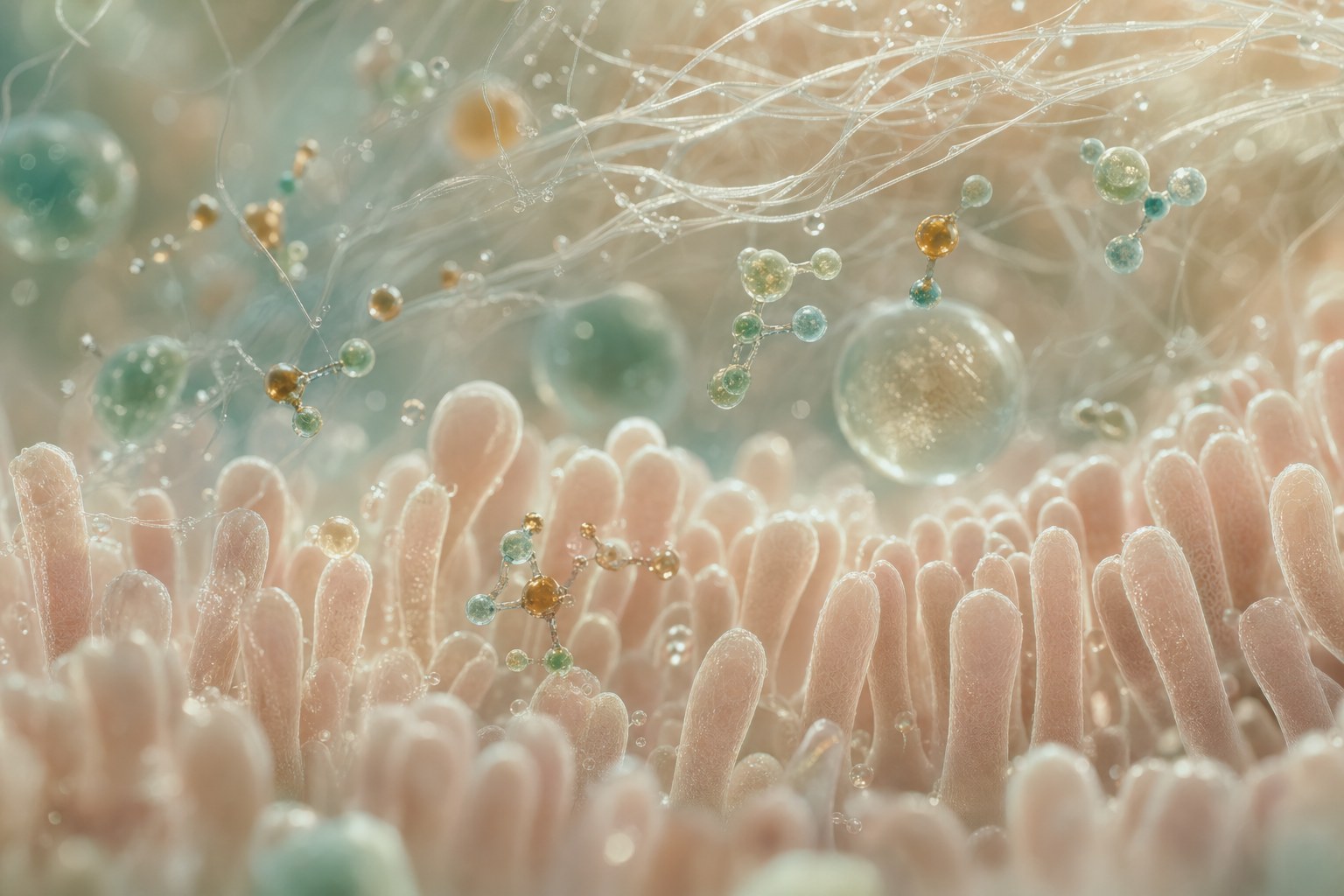
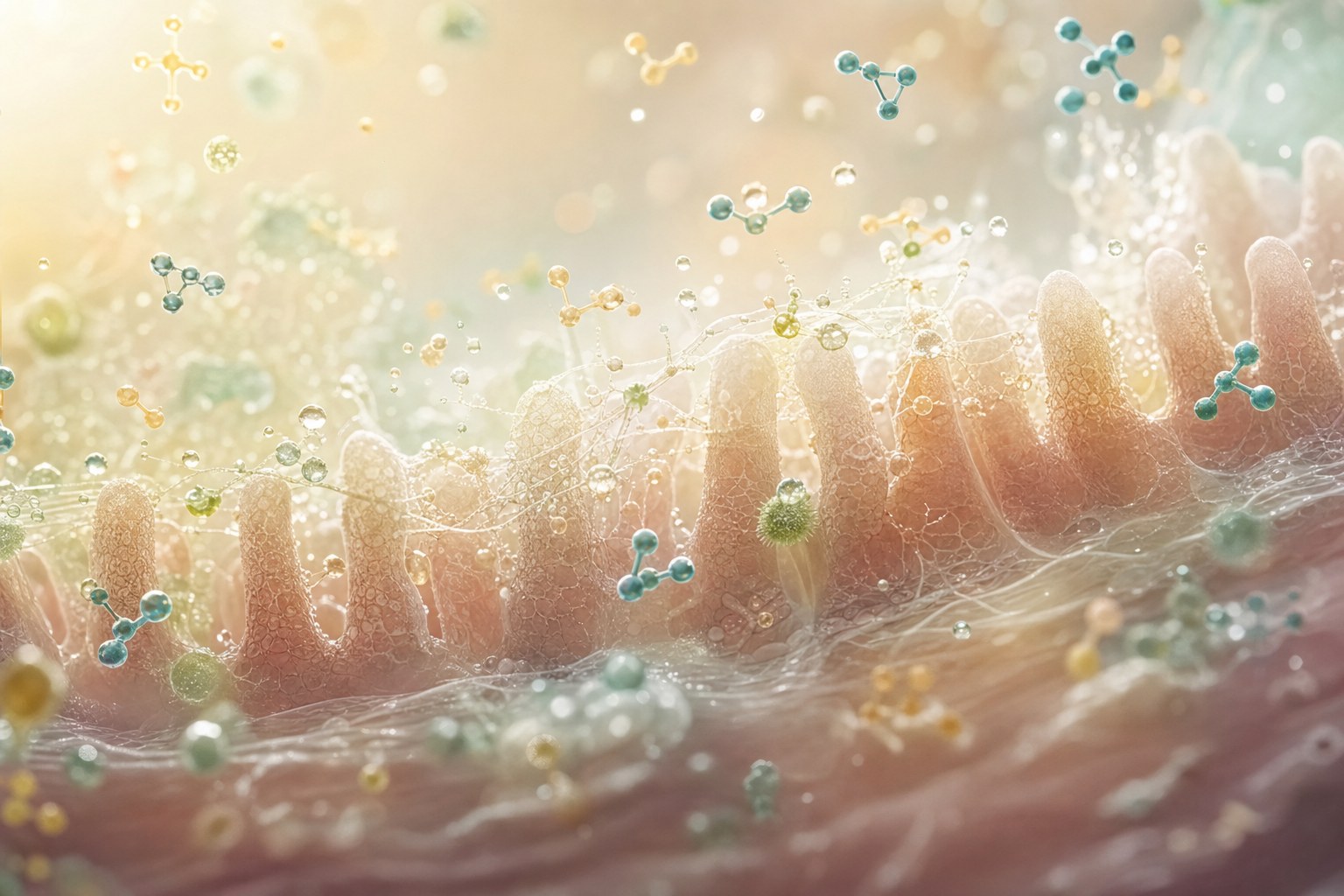
The intestinal barrier is the body's carefully managed gatekeeper between the inside of the gut and the rest of the body. It is built from a single layer of tightly connected cells, lined on the gut side by a slippery mucus coating and a resident community of microbes, and backed on the body side by immune cells standing watch. In everyday terms, it behaves like a smart filter: it lets in the nutrients, water, and minerals the body needs while working to hold back bacteria, partially digested food, and other contents that are meant to pass through and out. The connections between the lining cells can loosen and tighten in a regulated way, so the barrier is dynamic rather than a fixed wall. When this selective function is well supported, digestion and immune balance tend to run more smoothly, which is why the barrier is a frequent focus in gut-health conversations with Dr. Rob.
The Science & Mechanism
The intestinal barrier is a multilayered system centered on a single sheet of epithelial cells joined by apical junctional complexes, most notably tight junctions built from claudins, occludin, and zonula occludens scaffolding proteins. These junctions govern the paracellular pathway, and their permeability is dynamically regulated, in part through the zonulin pathway and myosin light-chain kinase, which can reversibly loosen the seals between cells. Overlying the epithelium is a mucus layer produced by goblet cells and rich in MUC2, which physically distances most microbes from the cell surface, while Paneth cells secrete antimicrobial peptides such as defensins. Specialized enterocytes, along with M cells over Peyer's patches, mediate selective transcellular transport and antigen sampling. Beneath the lining sits the gut-associated lymphoid tissue, where secretory IgA and immune signaling help maintain tolerance to food and commensal organisms. Short-chain fatty acids like butyrate, produced by microbial fermentation, are associated with epithelial energy supply and junctional integrity. Research explores how diet, the microbiome, stress, and inflammation influence barrier function, and how increased permeability is associated with immune activation, though causal roles are still being defined.
Potential Benefits
- May support selective absorption of nutrients, water, and minerals
- Studied for its role in keeping microbes and toxins within the gut lumen
- Research explores its association with balanced immune signaling in the gut
- May support the mucus layer and tight-junction integrity of the gut lining
- Studied for its role in tolerance to foods and resident gut microbes
- Research explores its connection to overall digestive comfort and gut-immune balance
Who It May Be Best Suited For
- Adults focused on supporting gut-lining and digestive-barrier health
- Individuals interested in the gut's role in immune balance and tolerance
- People exploring gut permeability as part of a broader wellness plan
- Those building a foundational gut-health strategy with Dr. Rob
Important Considerations
This information is educational only and is not medical advice. Whether and how to support intestinal barrier function, along with any testing and protocol, is decided one-on-one with Dr. Rob based on your labs, health history, and goals. These statements have not been evaluated by the FDA, this content is not intended to diagnose, treat, cure, or prevent any disease, and individual results vary.