How It Works
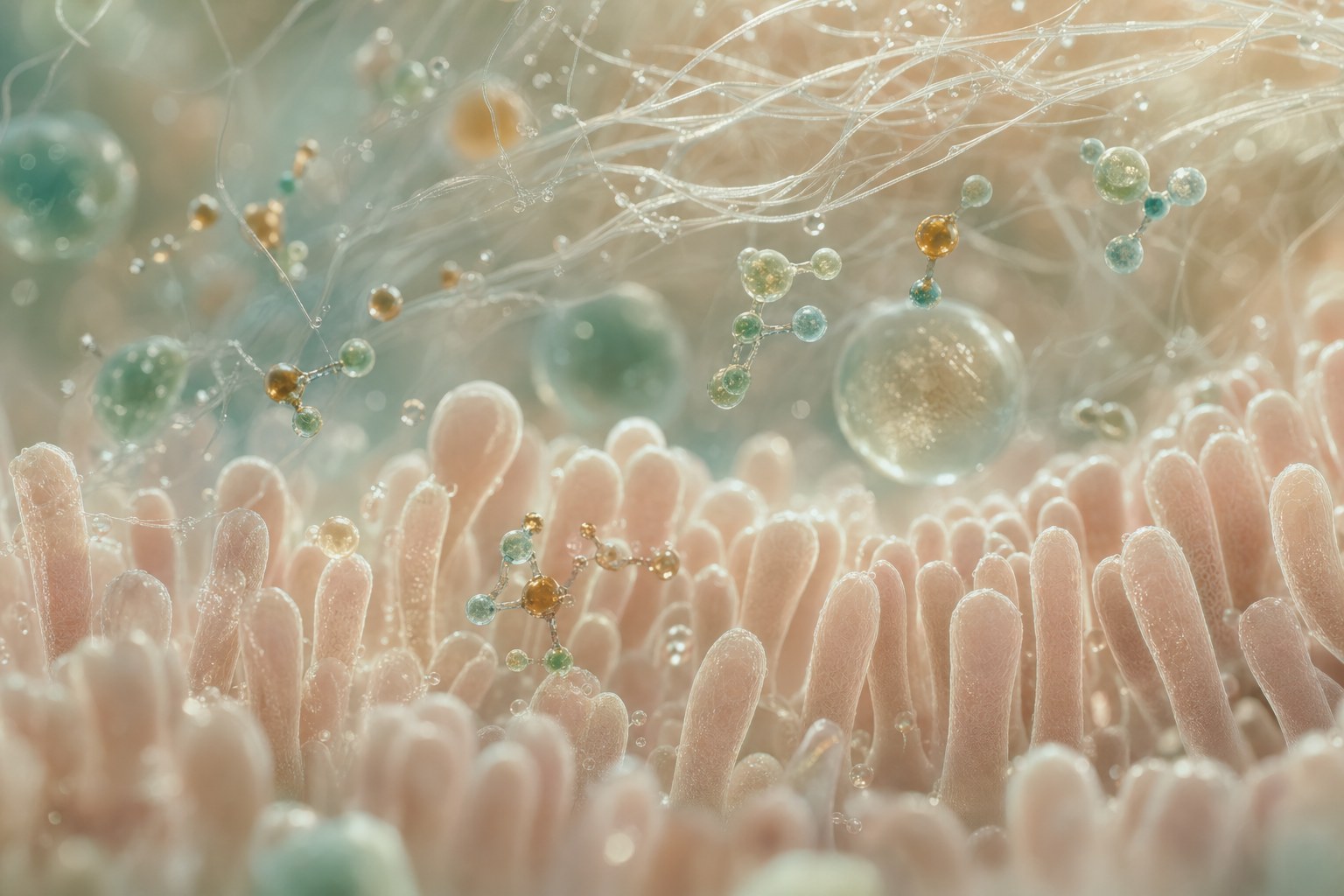
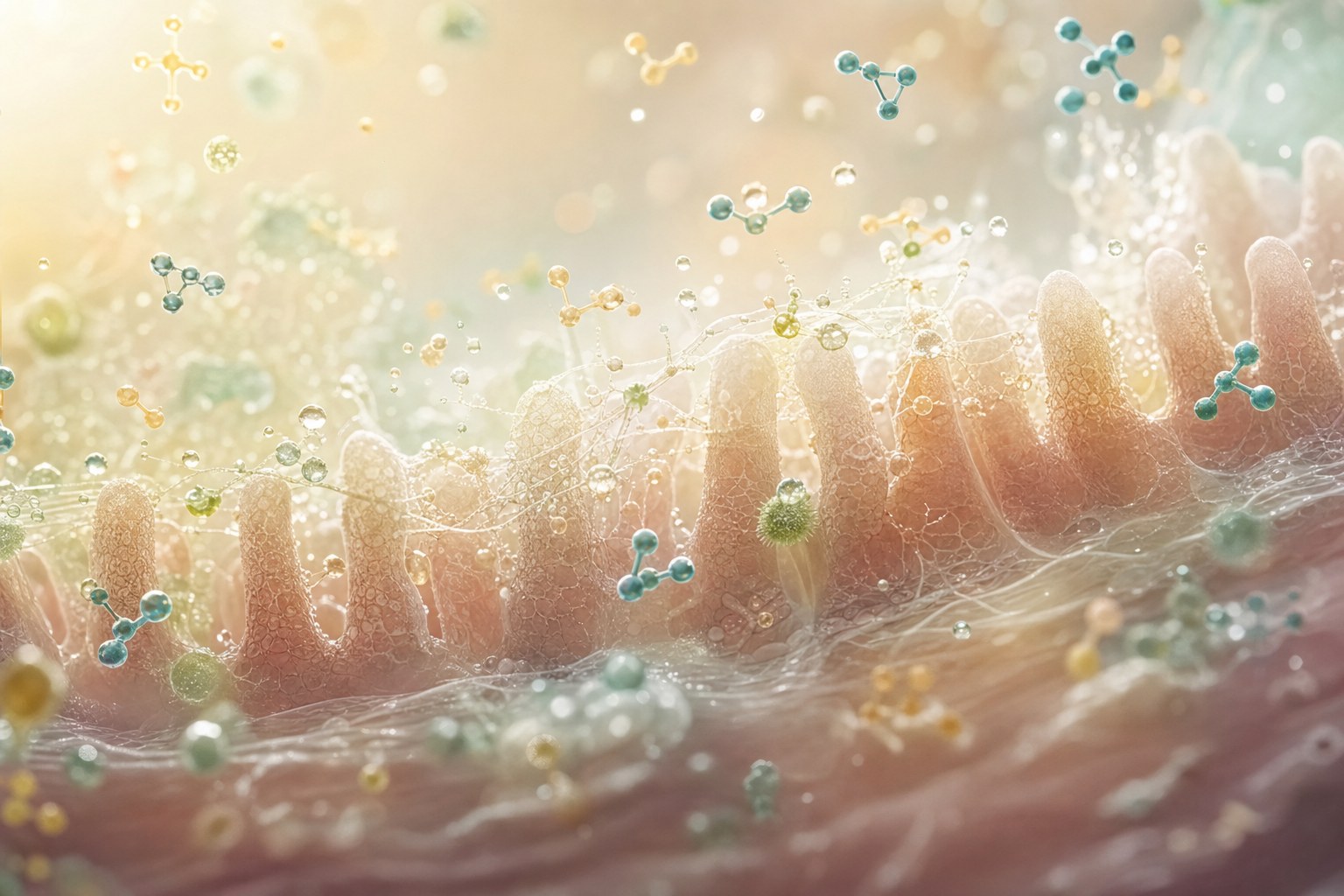
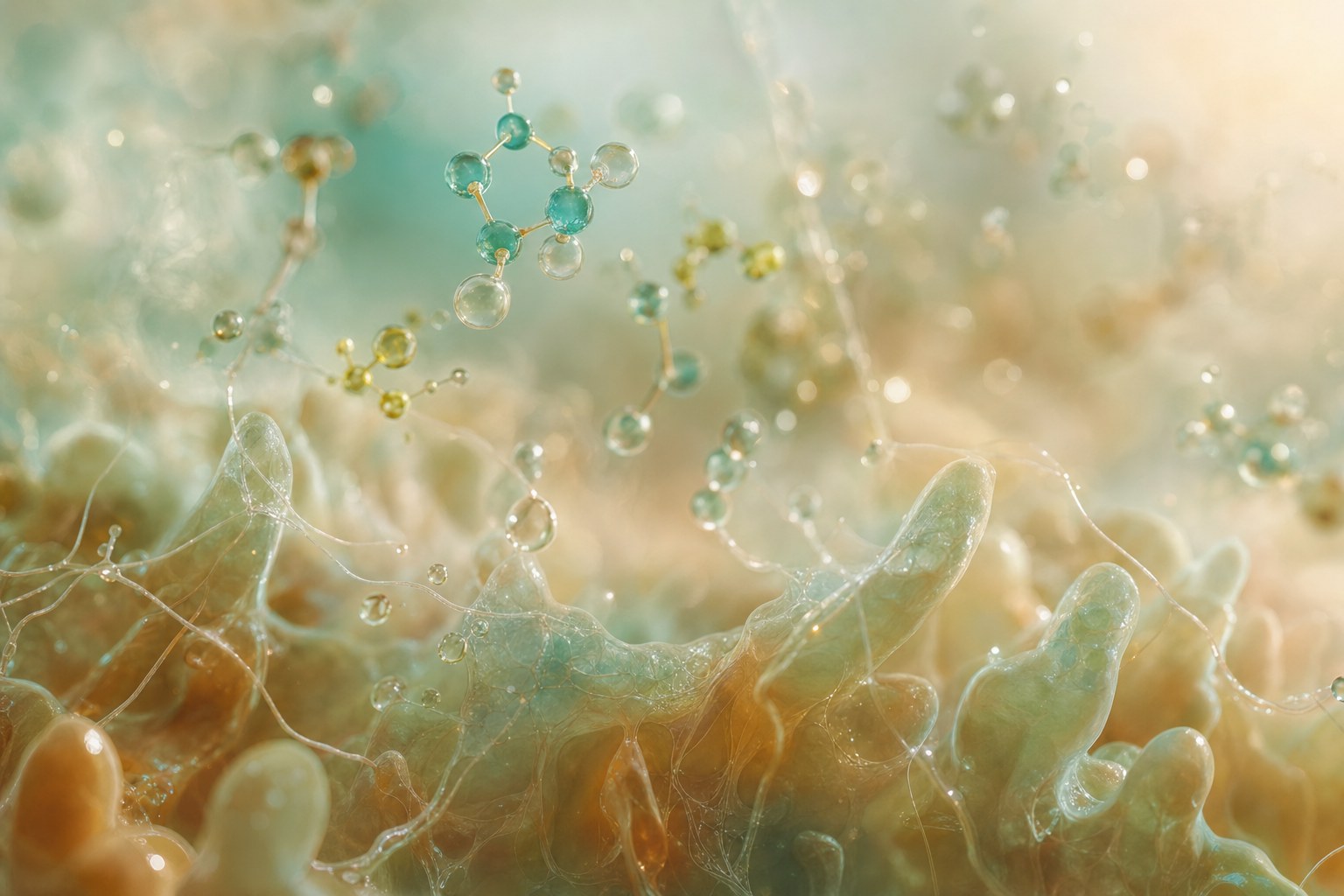
The mucus layer is not something you take but a slippery, gel-like blanket your own gut cells continuously produce and renew. In everyday terms, it works like a protective coating on the inside of your intestine, holding the crowd of gut bacteria and food particles at arm's length so they do not press directly against the living cells of your gut wall. In the colon it is organized into two zones: a dense inner layer that stays largely free of microbes, and a looser outer layer that many beneficial bacteria live in and feed on. Because it is made largely of sugar-coated proteins, certain microbes can graze on it, which keeps the whole system in constant, dynamic turnover. Its thickness and integrity are shaped by diet, fiber, and the microbiome itself, so it is a natural focal point in a physician-guided approach to gut health with Dr. Rob.
The Science & Mechanism
The gut mucus layer is built primarily from mucins, large glycoproteins heavily decorated with O-linked sugars, with the gel-forming mucin MUC2 secreted by goblet cells as the structural backbone in the intestine. In the colon this forms a stratified two-tiered system: a firm, densely cross-linked inner layer that is normally impenetrable to bacteria, and an expanded outer layer whose glycans serve as attachment sites and a nutrient source for commensal microbes. This spatial segregation physically limits contact between microbes and the epithelium, complementing antimicrobial peptides, secretory IgA, and tight junctions in maintaining barrier function. The layer is dynamic: goblet cells continuously replenish mucus, and specialist bacteria such as Akkermansia muciniphila and certain Bacteroides species forage on mucin glycans, a relationship associated with mucus turnover and short-chain fatty acid production. Research describes how dietary fiber deprivation can prompt the microbiota to erode the mucus barrier, thinning it and bringing bacteria closer to the epithelium. Butyrate and other microbial metabolites are studied for supporting goblet-cell function and mucin expression. A compromised or thinned mucus layer is associated in research with increased permeability and inflammatory signaling, though mechanisms are still being clarified.
Potential Benefits
- May support a physical barrier that keeps gut bacteria at a safe distance from the epithelium
- Studied for its role in housing and feeding beneficial mucin-associated microbes
- May support gut barrier integrity alongside tight junctions, IgA, and antimicrobial peptides
- Studied for its role in limiting direct microbial contact and inflammatory signaling
- May support a healthy relationship between dietary fiber, microbes, and mucus turnover
- Studied for its association with resilience of the gut lining under changing conditions
Who It May Be Best Suited For
- Adults building a foundational gut-barrier and gut-health protocol
- Those exploring how fiber and diet influence the gut lining and its microbes
- Individuals interested in barrier integrity and intestinal permeability concepts
- Anyone whose diet is low in fiber variety and range of plant foods
Important Considerations
The mucus layer is offered here as educational, research-informed content, and how it is assessed and supported is decided one-on-one with Dr. Rob based on your labs, health history, and goals. It is an intrinsic part of your own biology rather than a product, and any related diet or lifestyle strategy is individualized during a personal consultation. These statements have not been evaluated by the FDA, this content is not intended to diagnose, treat, cure, or prevent any disease, and individual results vary.