
Overview
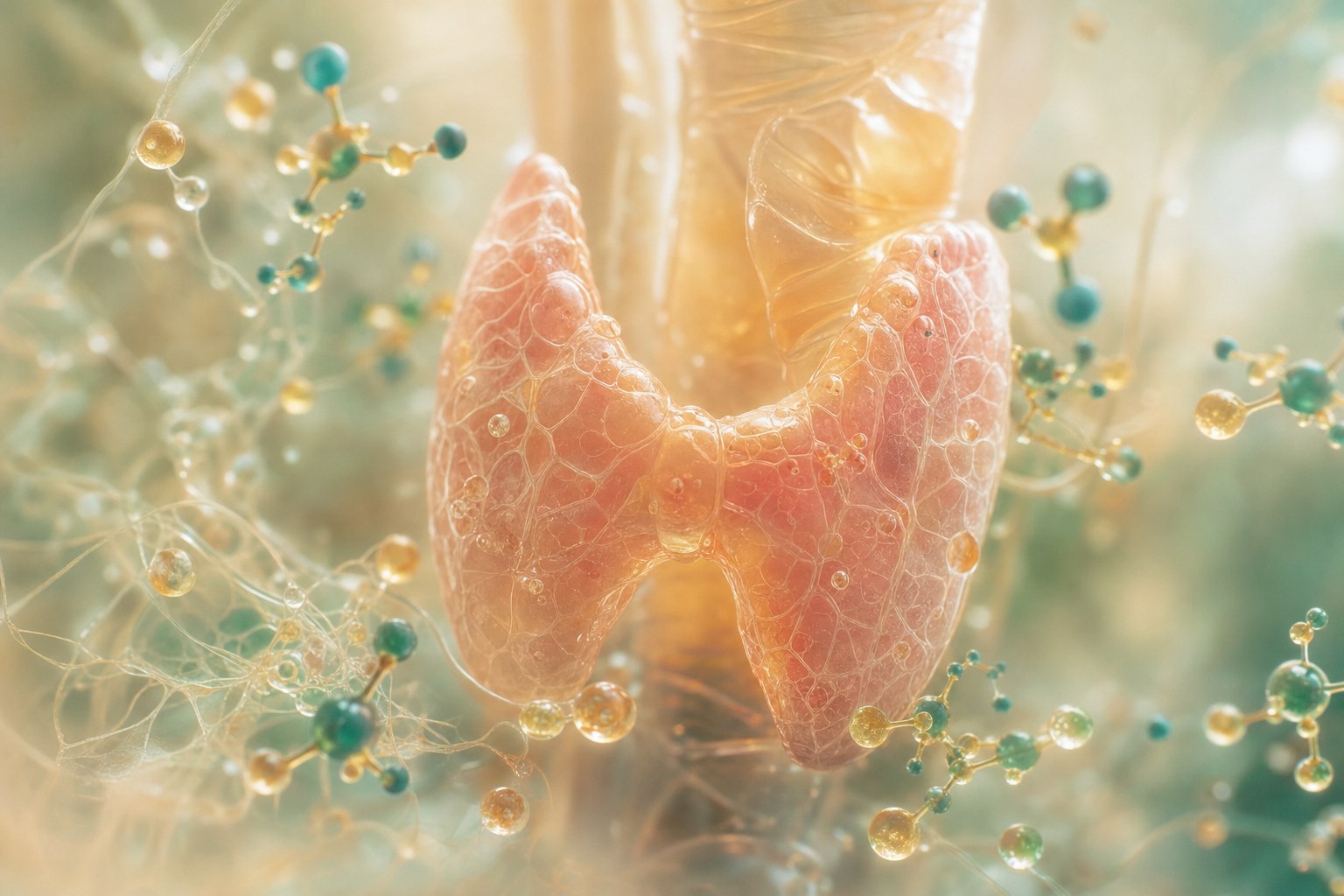
Celiac disease is a lifelong autoimmune condition triggered by gluten, a family of proteins found in wheat, barley and rye. In genetically susceptible people, gluten sets off an immune response that damages the finger-like villi lining the small intestine, the surfaces responsible for absorbing nutrients. It affects roughly one in a hundred people worldwide, though many remain undiagnosed for years, and it can appear at any age. Symptoms range widely, from digestive complaints to fatigue, anemia, bone loss, skin changes or no obvious symptoms at all. Viewed through a full-body optimization lens, celiac disease matters because impaired absorption can quietly undermine iron, vitamin D, B12, folate and other markers that shape energy, mood, bone strength and long-term resilience.
The Underlying Biology
Celiac disease is driven by an adaptive immune response to dietary gluten in people carrying the HLA-DQ2 or HLA-DQ8 genes, which are necessary but not sufficient for disease. Gluten is rich in proline and glutamine and resists complete digestion, leaving gliadin peptides that cross the intestinal epithelium. The enzyme tissue transglutaminase (tTG) deamidates these peptides, increasing their affinity for HLA-DQ2/DQ8 molecules on antigen-presenting cells. This activates gluten-specific CD4+ T cells, which release inflammatory cytokines such as interferon-gamma and drive B cells to produce characteristic autoantibodies against tTG and deamidated gliadin. The resulting inflammation causes villous atrophy, crypt hyperplasia and intraepithelial lymphocytosis in the small intestine, flattening the absorptive surface. Loss of villi reduces uptake of iron, folate, B12, fat-soluble vitamins, calcium and other nutrients, explaining common findings of anemia and low bone density. Increased intestinal permeability, partly mediated by zonulin, is also described. Commonly assessed markers include anti-tTG IgA, endomysial antibodies, deamidated gliadin peptide antibodies, total IgA and HLA typing, with small-bowel biopsy remaining central to confirmation.
What the Research Explores
- Explores how removing gluten is associated with healing of the intestinal lining and recovery of absorptive villi
- Investigates whether restoring nutrient absorption supports iron, vitamin D, B12, folate and bone-density markers
- Examines the role of serologic markers such as anti-tTG and deamidated gliadin antibodies in tracking immune activity
- Studies how genetic factors like HLA-DQ2 and HLA-DQ8 shape susceptibility and inform evaluation
- Considers how impaired absorption may connect celiac disease to fatigue, mood and whole-body energy status
- Reviews the associations between celiac disease and related autoimmune and metabolic conditions for a fuller health picture
Who May Find This Relevant
- People exploring persistent digestive symptoms, fatigue or unexplained nutrient deficiencies
- Those with a personal or family history of celiac disease or other autoimmune conditions
- Individuals with low iron, B12, vitamin D or bone density seeking possible absorptive explanations
- Anyone building a labs-informed, physician-guided plan for gut and whole-body health with Dr. Rob
Important Considerations
This information is educational only and is not intended to diagnose, treat, cure or prevent any disease. Celiac disease is a medical condition that must be evaluated and managed with your own physician, and diagnosis should not be pursued by removing gluten before proper testing, as this can obscure results. Any optimization or nutrient support is decided one-on-one with Dr. Rob based on your labs, history and goals, and individual situations vary.