How It Works
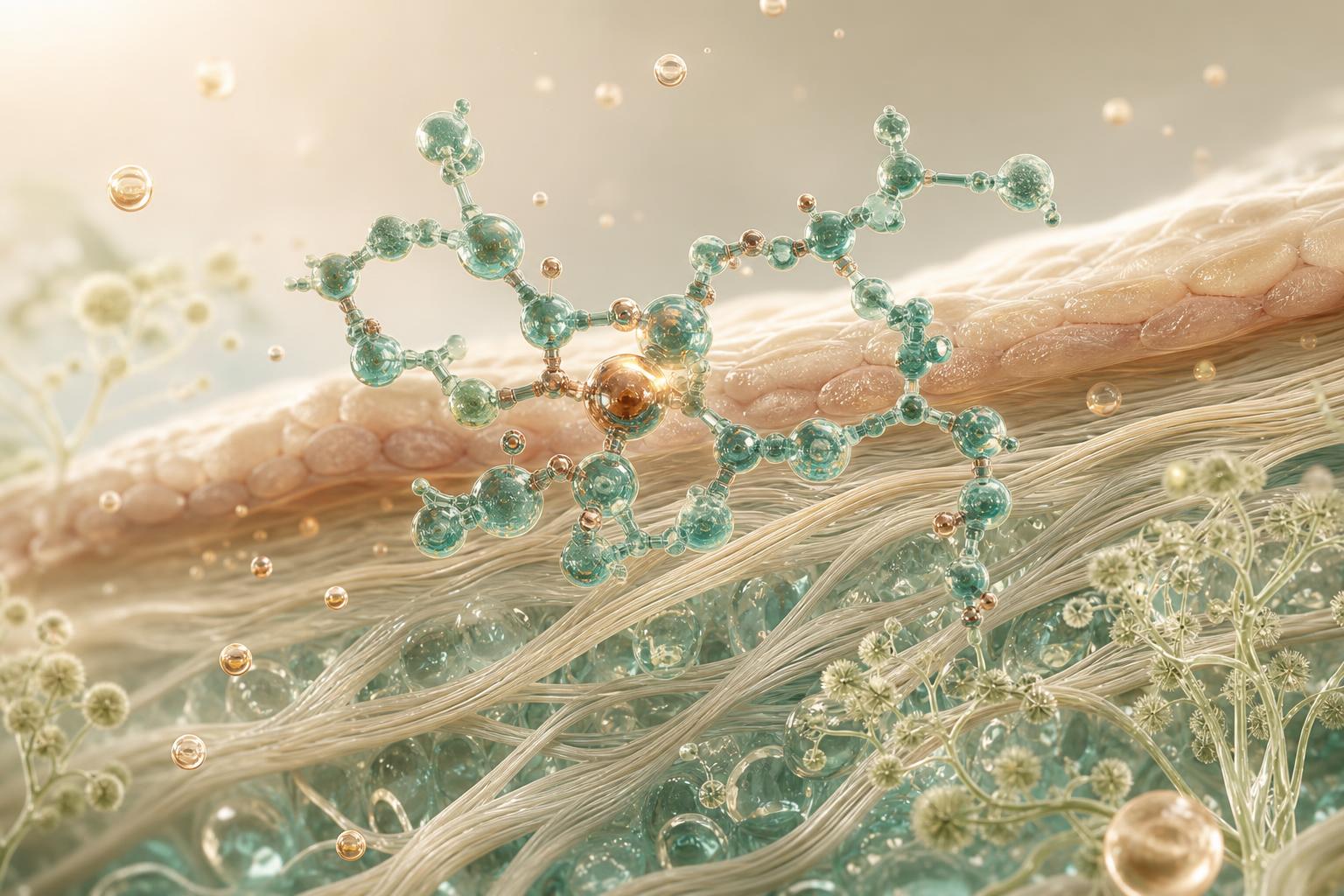
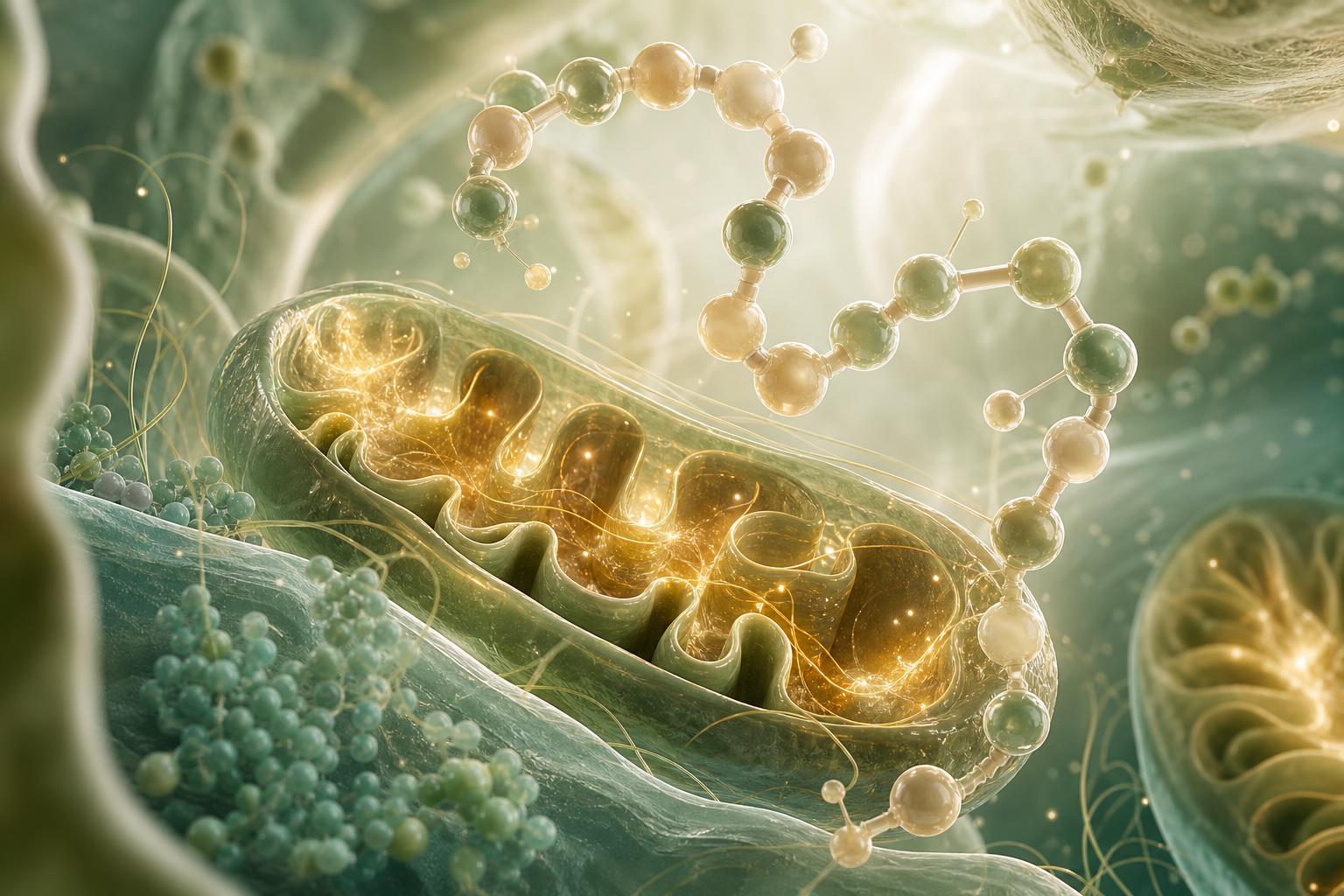
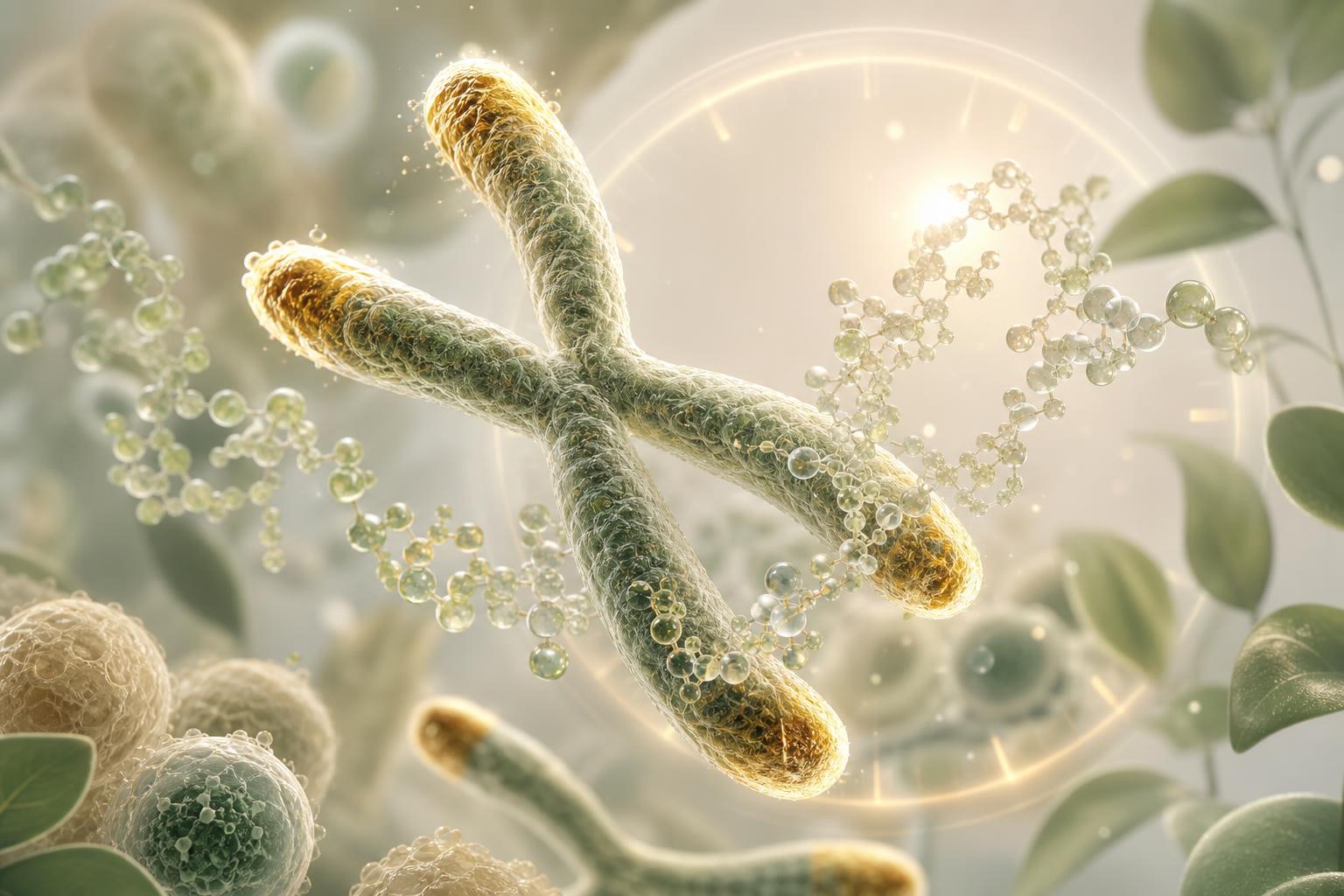
Epitalon is studied at the level of the pineal gland and the chromosome. Research has explored its ability to support telomerase activity, which may help maintain the protective caps on the ends of DNA strands, while it may also influence the pineal signals that govern your natural sleep-wake cycle. Because individual goals and physiology differ, Dr. Rob tailors any protocol on a 1:1 basis, typically using short, cyclical courses rather than continuous use.
The Science & Mechanism
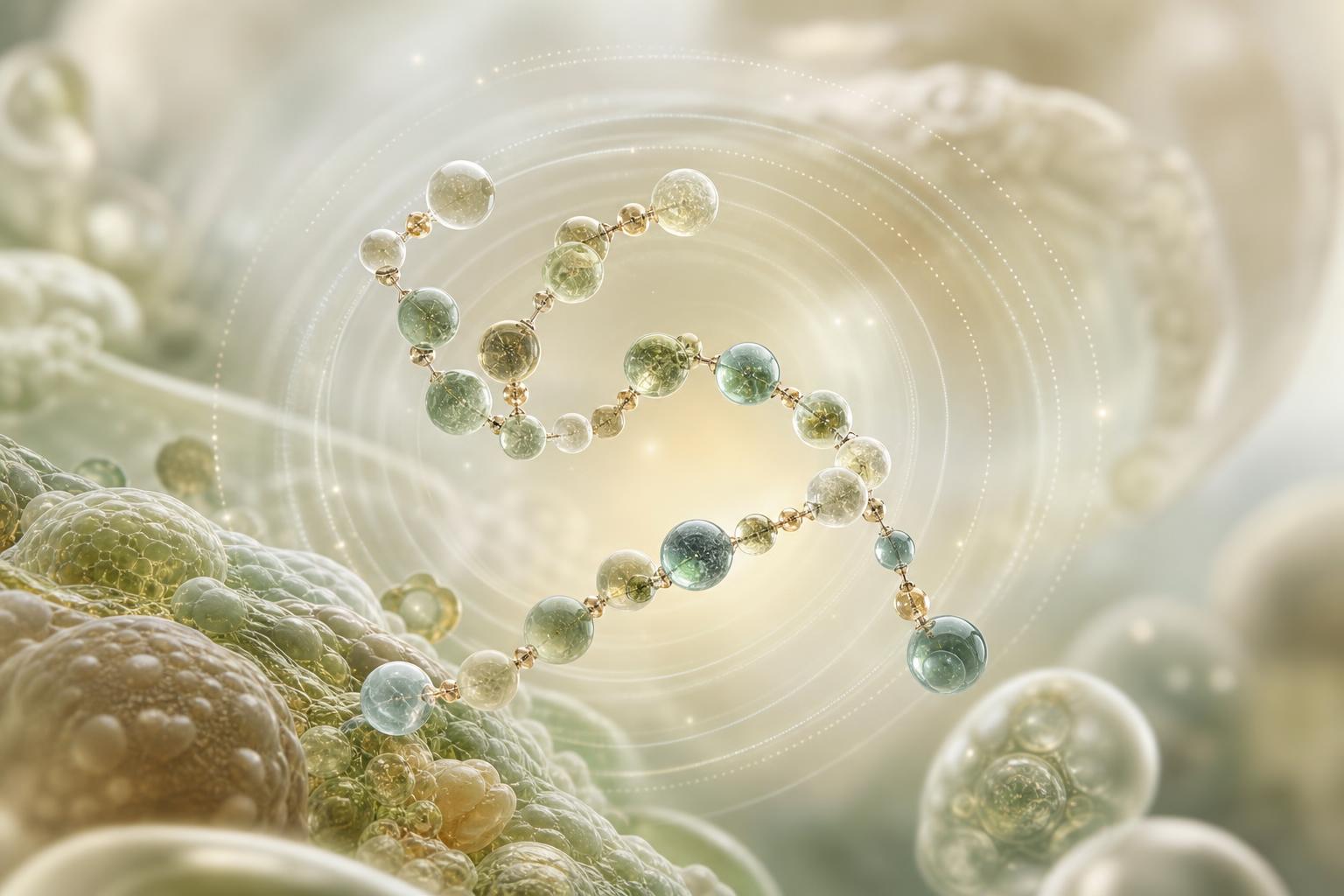
Epitalon (Ala-Glu-Asp-Gly) is a synthetic tetrapeptide modeled on epithalamin, a peptide complex isolated from the pineal gland. Research suggests it may increase the activity of telomerase, the enzyme that adds repeating nucleotide sequences to the ends of chromosomes (telomeres), which naturally shorten with each cycle of cell division. By supporting telomerase expression, it is studied for its potential to help maintain telomere length in dividing cells. Epitalon is also thought to interact with the pineal-hypothalamic axis, where it may influence melatonin secretion and help regulate circadian (sleep-wake) rhythms. Additional research has examined its possible role in supporting gene-expression patterns and antioxidant-defense pathways associated with cellular aging.
Potential Benefits
- May support healthy cellular aging at the telomere level
- May help regulate circadian rhythm and sleep quality
- May support the body's natural melatonin patterns
- May help support antioxidant and cellular-defense pathways
- Is being studied for its role in overall longevity and vitality
- May complement a broader healthy-aging protocol
Who It May Be Best Suited For
- Adults focused on long-term healthy-aging strategies
- Those interested in circadian rhythm and sleep-quality support
- Clients building a comprehensive longevity protocol
- Individuals seeking cellular-level vitality support under medical guidance
Important Considerations
Epitalon is offered as educational, individualized therapy under the direct supervision of Dr. Rob Charles, MD. It is not a treatment or cure for any disease, and outcomes vary from person to person. Candidacy, protocol design, and cycling are determined during a 1:1 medical consultation based on your health history and goals.