How It Works
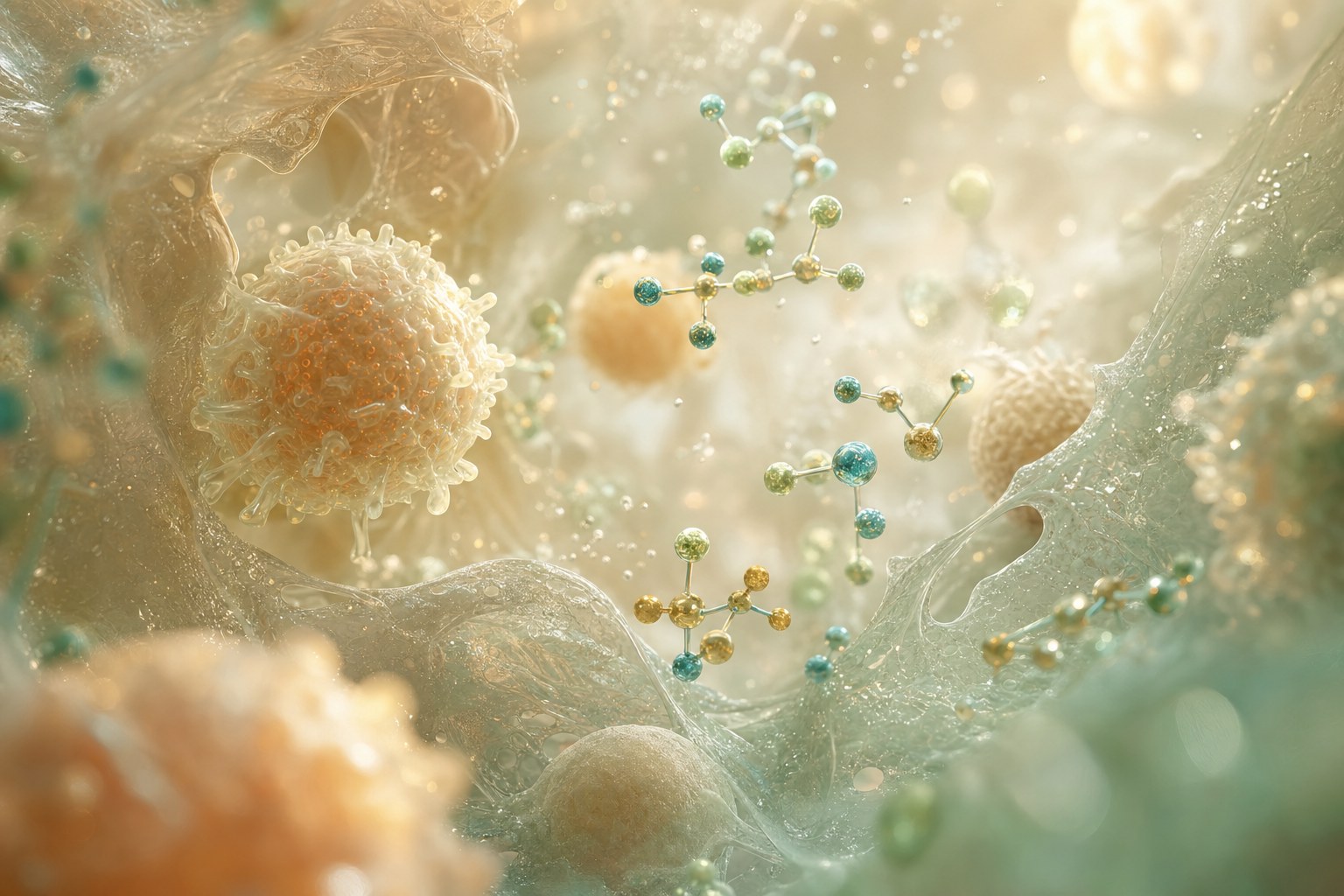
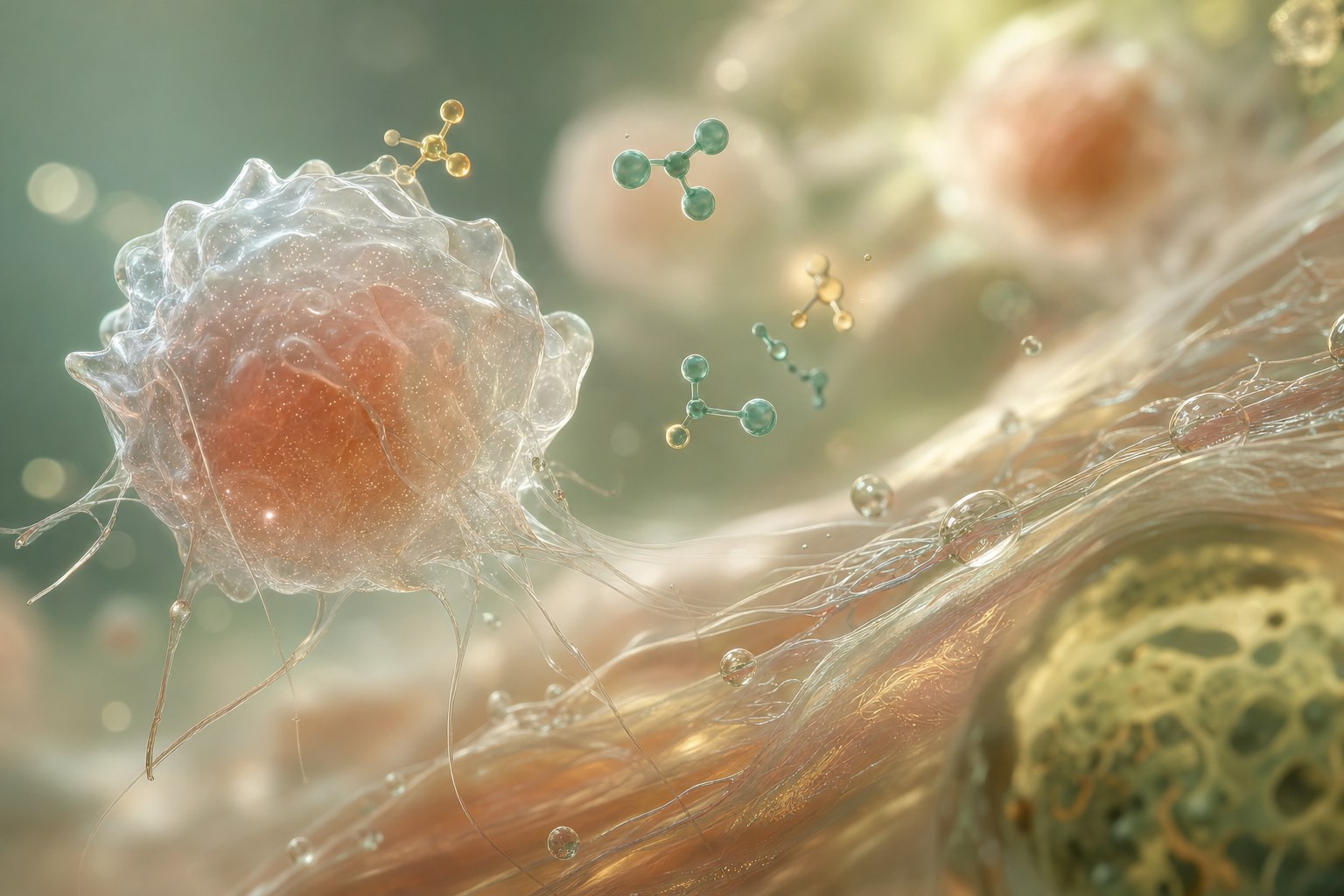
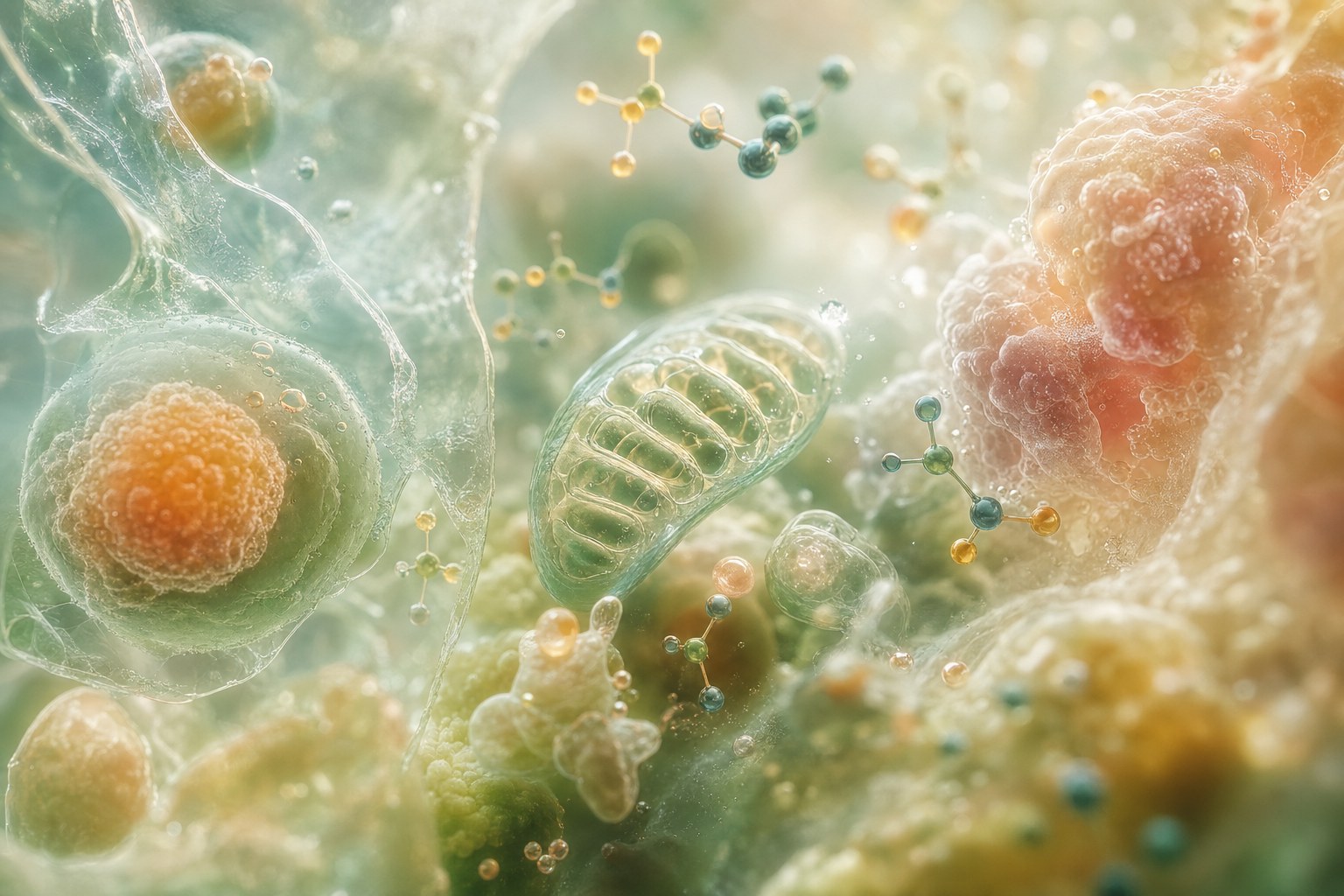
Mitochondria are the tiny structures inside nearly every cell that turn food and oxygen into usable energy. This is not a supplement or a treatment; it is a natural biological process that Dr. Rob can help you understand and support. As mitochondria make energy, a small fraction of oxygen escapes as reactive molecules called free radicals, which the body normally mops up with built-in antioxidant defenses. In everyday terms, it works like an engine that produces a little exhaust: a well-tuned engine handles it cleanly, but if production outruns the cleanup crew, the byproducts can build up and stress the surrounding parts. When this balance tips over time, research associates it with cellular wear, inflammatory signaling, and changes in how efficiently cells make energy.
The Science & Mechanism
Mitochondrial oxidative stress arises at the electron transport chain, where electrons passing through complexes I through IV drive ATP synthesis via oxidative phosphorylation. A portion of electrons leaks, chiefly at complexes I and III, partially reducing oxygen to superoxide, the primary mitochondrial reactive oxygen species (ROS). Superoxide is converted by manganese superoxide dismutase (MnSOD/SOD2) into hydrogen peroxide, which is then detoxified by glutathione peroxidase, peroxiredoxins, and catalase. At physiological levels ROS act as redox signaling molecules, but when generation outpaces this antioxidant capacity, oxidative damage accumulates in mitochondrial lipids, proteins, and DNA. Research describes how this can impair the electron transport chain further, creating a self-amplifying cycle, and how it engages redox-sensitive pathways including NF-kB and the NLRP3 inflammasome, linking mitochondrial ROS to inflammatory signaling. The cell counters through the Nrf2 antioxidant response, mitochondrial biogenesis via PGC-1-alpha, and quality-control processes such as mitophagy. Cofactors and molecules studied in this context include NAD+, coenzyme Q10, glutathione, and MitoQ. The mitochondrial free-radical theory of aging frames this balance as relevant to longevity, though the literature continues to refine it.
Potential Benefits
- May support a clearer understanding of how cellular energy production relates to oxidative balance
- Studied for its role in the mitochondrial free-radical theory of aging and cellular longevity
- Research explores its association with low-grade inflammation through redox-sensitive signaling pathways
- May support labs-guided strategies aimed at a healthier antioxidant-to-oxidant balance
- Studied for its role in metabolic health and how efficiently cells generate energy
- Research explores its association with the body's built-in antioxidant defenses, such as the Nrf2 response
Who It May Be Best Suited For
- Adults focused on healthy aging and cellular longevity strategies
- Those interested in supporting mitochondrial function and metabolic wellness
- Patients exploring the link between oxidative balance and low-grade inflammation
- Anyone building a comprehensive, labs-guided optimization and longevity plan
Important Considerations
This information is educational only and is not intended to diagnose, treat, cure, or prevent any disease. Mitochondrial oxidative stress is a biological process rather than a product, so whether and how any supportive strategy fits your plan is decided one-on-one with Dr. Rob based on your labs, personal history, and goals. These statements have not been evaluated by the FDA, and individual results vary.