How It Works
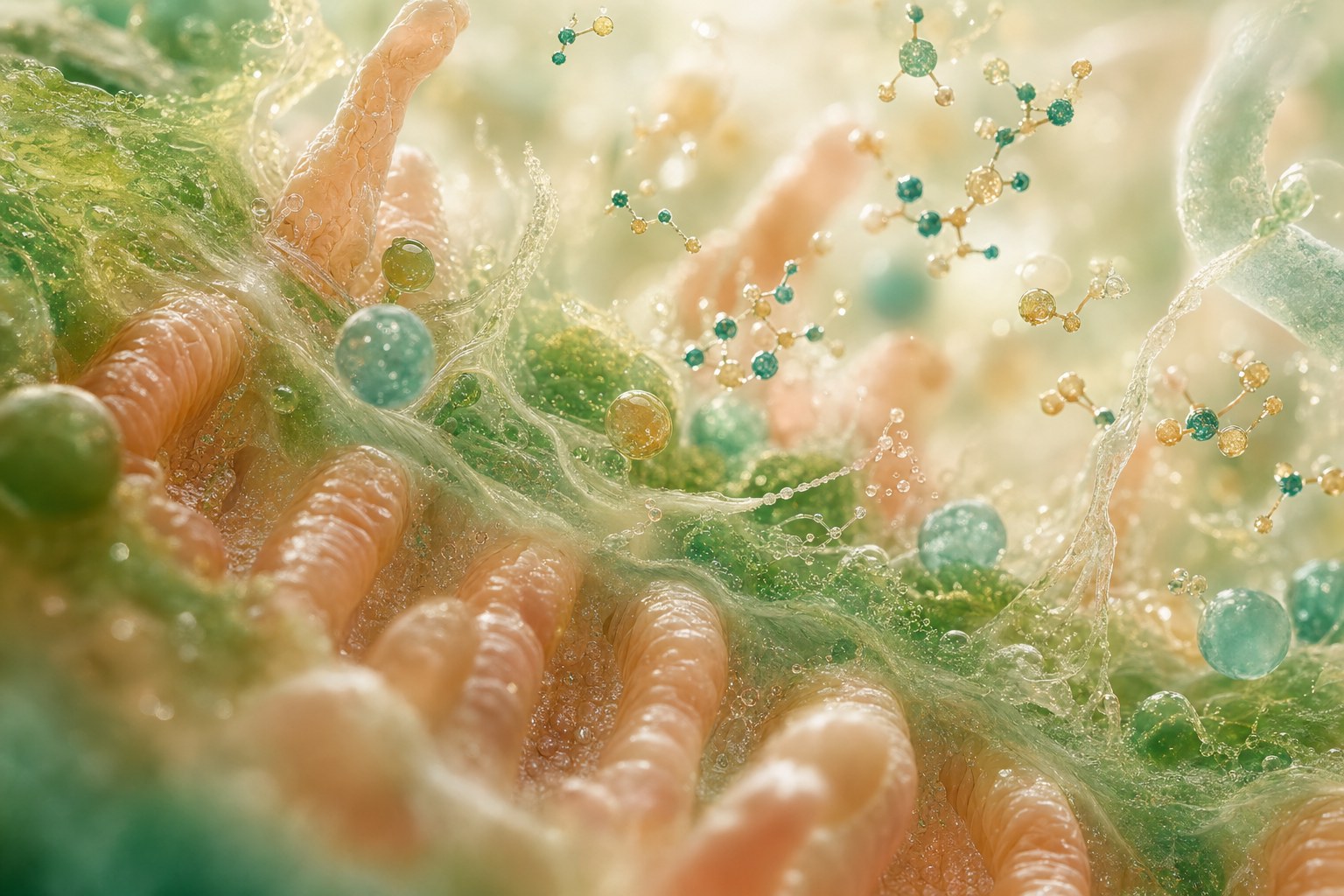
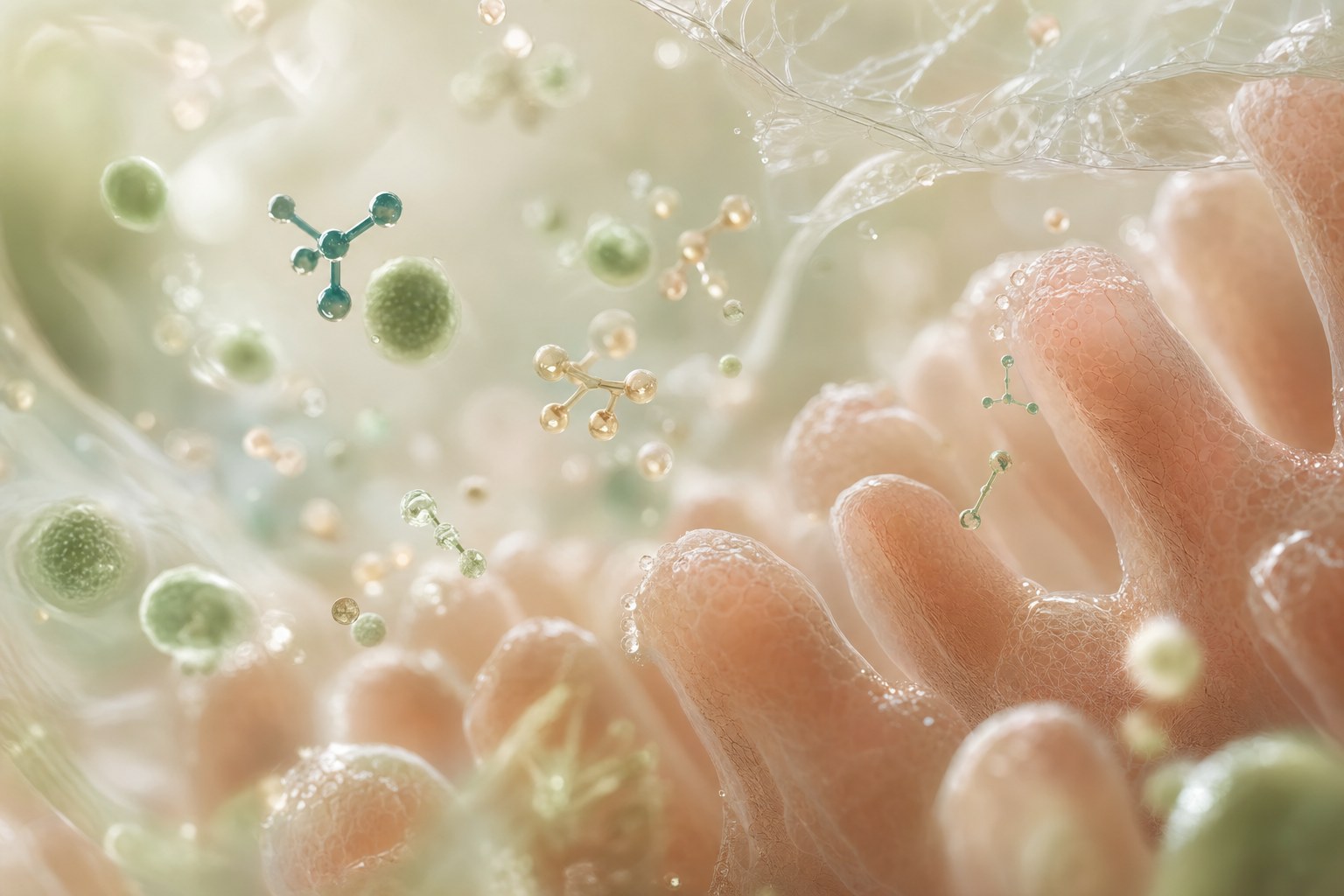
Your gut microbiome is the enormous population of microbes, mostly bacteria, that live along your digestive tract, with the densest community in the large intestine. Collectively they carry many times more genes than your own cells, which is why researchers sometimes describe them as a metabolic organ. These microbes finish digesting the fiber and compounds your own enzymes cannot break down, and in the process they make vitamins, short-chain fatty acids, and other molecules your body uses. They also help train and calibrate your immune system and keep the gut lining healthy, acting as a barrier against less friendly organisms. In everyday terms, a diverse, well-fed community tends to be associated with smoother digestion and steadier whole-body signaling, and Dr. Rob considers your microbiome in the context of your labs, symptoms, diet, and goals.
The Science & Mechanism
The gut microbiome is an ecosystem of trillions of microorganisms, dominated in most people by the bacterial phyla Bacillota (Firmicutes) and Bacteroidota, alongside archaea, fungi, and viruses. In the colon, these microbes ferment dietary fibers and resistant starches that human enzymes cannot digest, producing short-chain fatty acids such as butyrate, propionate, and acetate. Butyrate is a primary fuel for colonocytes and, with the other SCFAs, engages receptors like GPR41, GPR43, and GPR109A and influences histone-modifying enzymes, linking microbial metabolism to host gene expression, barrier integrity, and immune tone. The microbiome interacts continuously with gut-associated lymphoid tissue, helping shape regulatory versus inflammatory immune responses and supporting the mucus layer and tight junctions that form the intestinal barrier. Microbes also transform bile acids and generate metabolites, including neurotransmitter precursors, that participate in the bidirectional gut-brain axis via vagal, endocrine, and immune routes. Research consistently associates higher microbial diversity and a stable community structure with markers of metabolic and immune health, while dysbiosis, a disrupted or less diverse community, is associated in studies with a range of digestive and systemic conditions, though causation is still being defined.
Potential Benefits
- May support healthy digestion and the breakdown of dietary fiber the body cannot process alone
- Studied for its role in producing short-chain fatty acids like butyrate that nourish the gut lining
- May support a balanced immune response through ongoing crosstalk with gut-associated immune tissue
- Studied for its role in metabolism, including how the body handles carbohydrates and energy
- May support the integrity of the intestinal barrier and a healthy mucus layer
- Studied for its role in the gut-brain axis and the signaling between gut microbes and the nervous system
Who It May Be Best Suited For
- Adults with digestive concerns such as bloating, irregularity, or discomfort worth exploring
- Those interested in how diet, fiber, and lifestyle shape their microbial diversity
- People focused on immune and metabolic health who want a fuller picture of gut function
- Anyone curious about gut-brain signaling, mood, and whole-body wellness through the microbiome
Important Considerations
This overview of the gut microbiome is educational, research-informed content, and any testing or supportive strategy is decided one-on-one with Dr. Rob based on your labs, symptoms, health history, and goals. Because microbiome science is still evolving and each person's community is highly individual, interpretation and any protocol are determined during a personal consultation rather than a one-size-fits-all approach. These statements have not been evaluated by the FDA, this content is not intended to diagnose, treat, cure, or prevent any disease, and individual results vary.