How It Works
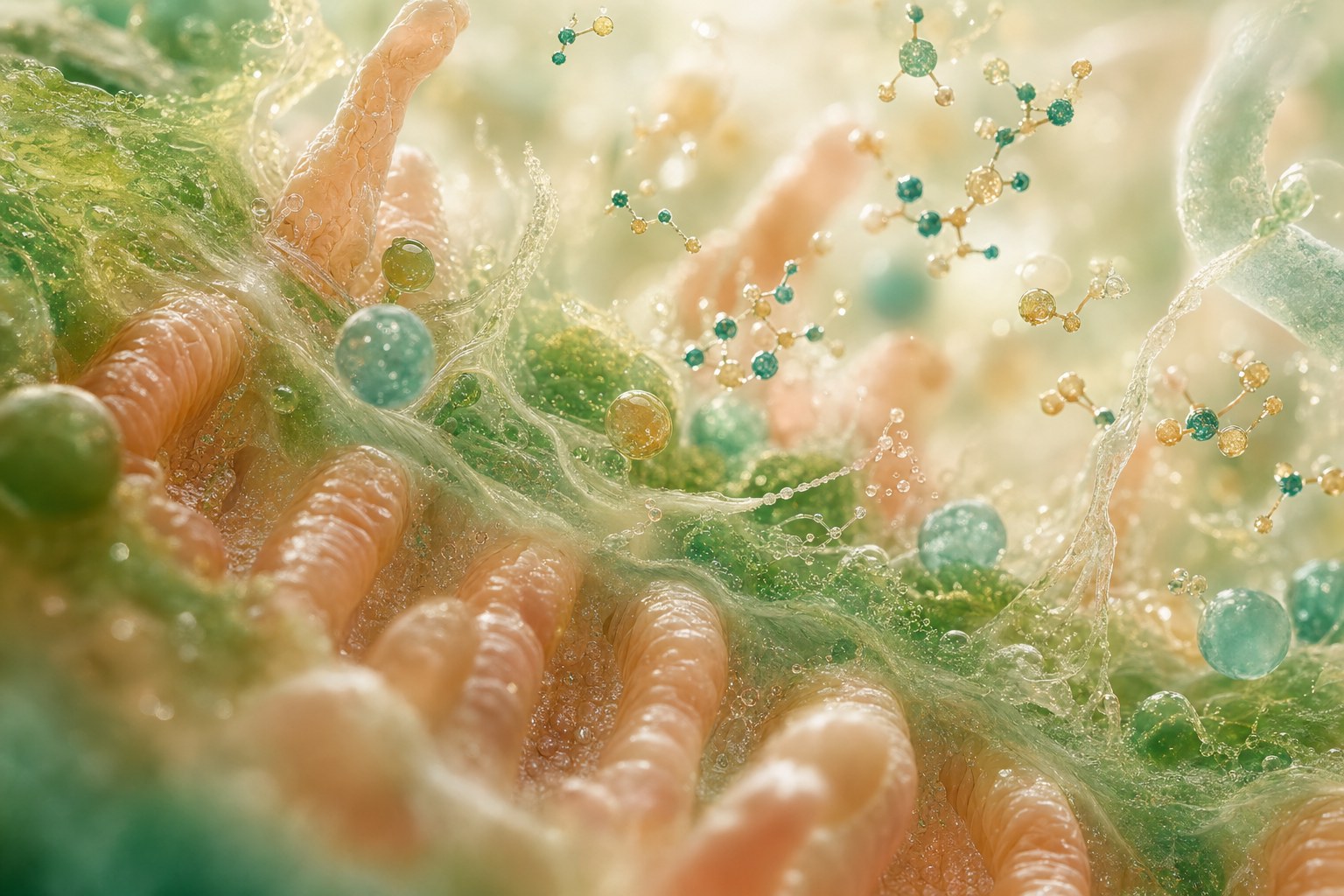
Fermented foods are everyday foods that have been transformed by living microbes such as bacteria and yeasts, which convert sugars and starches into acids, gases and other compounds. This is the same age-old process behind yogurt, kefir, sauerkraut, kimchi, miso, tempeh and traditionally fermented pickles. Along the way the microbes create tangy flavors, help preserve the food, and leave behind live cultures plus a rich mix of their byproducts. When eaten, these foods deliver both the microbes themselves and the beneficial molecules they produced during fermentation. Because they arrive as part of whole foods rather than isolated pills, they are studied as a broad, food-first way to introduce diverse microbes and their metabolites into the digestive tract.
The Science & Mechanism
Fermentation is driven largely by lactic acid bacteria such as Lactobacillus and Leuconostoc species, along with yeasts, which metabolize carbohydrates into lactic acid, short-chain fatty acids, organic acids and bioactive peptides. This lowers pH and produces a chemically rich matrix that reaches the gut. Live cultures in these foods are studied for transiently joining the resident microbiome and, through competitive exclusion and acid production, may create conditions less favorable to less desirable organisms. Beyond the live microbes, fermentation generates metabolites of independent interest: short-chain fatty acids associated with epithelial barrier support, bioactive peptides and polyphenol transformations that research links to antioxidant and signaling activity. A widely cited dietary intervention reported that a diet high in fermented foods was associated with increased gut microbiome diversity and decreased markers of inflammation, a notable finding because diversity is broadly associated with a resilient microbial ecosystem. Fermented foods also intersect with the gut-brain axis, where microbial metabolites and vagal signaling are studied in relation to mood and stress. Effects are considered highly variable, shaped by the specific food, its live-culture content and an individual's existing microbiome and diet.
Potential Benefits
- May support a more diverse and resilient gut microbial community
- Studied for its role in delivering live microbes alongside their beneficial metabolites
- Research explores its association with lower markers of inflammation
- May support digestive comfort and the everyday function of the gut lining
- Studied for its role in supplying short-chain fatty acids and bioactive compounds
- Research explores its connection to the gut-brain axis and everyday well-being
Who It May Be Best Suited For
- Those who prefer a food-first approach to supporting gut health
- Individuals interested in building broader gut microbiome diversity over time
- People incorporating traditional whole foods into a longevity-minded diet
- Those exploring the link between gut balance, inflammation and well-being
Important Considerations
This information is educational only and is not medical advice. Whether fermented foods fit your plan, and how they are best incorporated, is decided one-on-one with Dr. Rob based on your labs, history, tolerances and goals. These statements have not been evaluated by the FDA, this is not intended to diagnose, treat, cure or prevent any disease, and individual results vary.