Overview
Coronary artery disease develops when atherosclerotic plaque accumulates inside the coronary arteries, the vessels that carry oxygen-rich blood to the heart muscle, gradually stiffening and narrowing them. It is among the most common chronic conditions worldwide and becomes more prevalent with age, though the underlying process often begins quietly decades earlier and may cause no symptoms for years. Its likelihood is shaped by genetics, cholesterol and lipoprotein patterns, blood pressure, blood-sugar regulation, body composition, inflammation, sleep, activity, and tobacco exposure. Viewed through a full-body optimization lens, coronary artery disease is less a single-organ issue than the visible endpoint of many interacting metabolic and vascular pathways, which is why understanding the surrounding terrain—lipids, glucose, blood pressure, and inflammatory markers—matters for long-term cardiovascular and longevity health.
The Underlying Biology
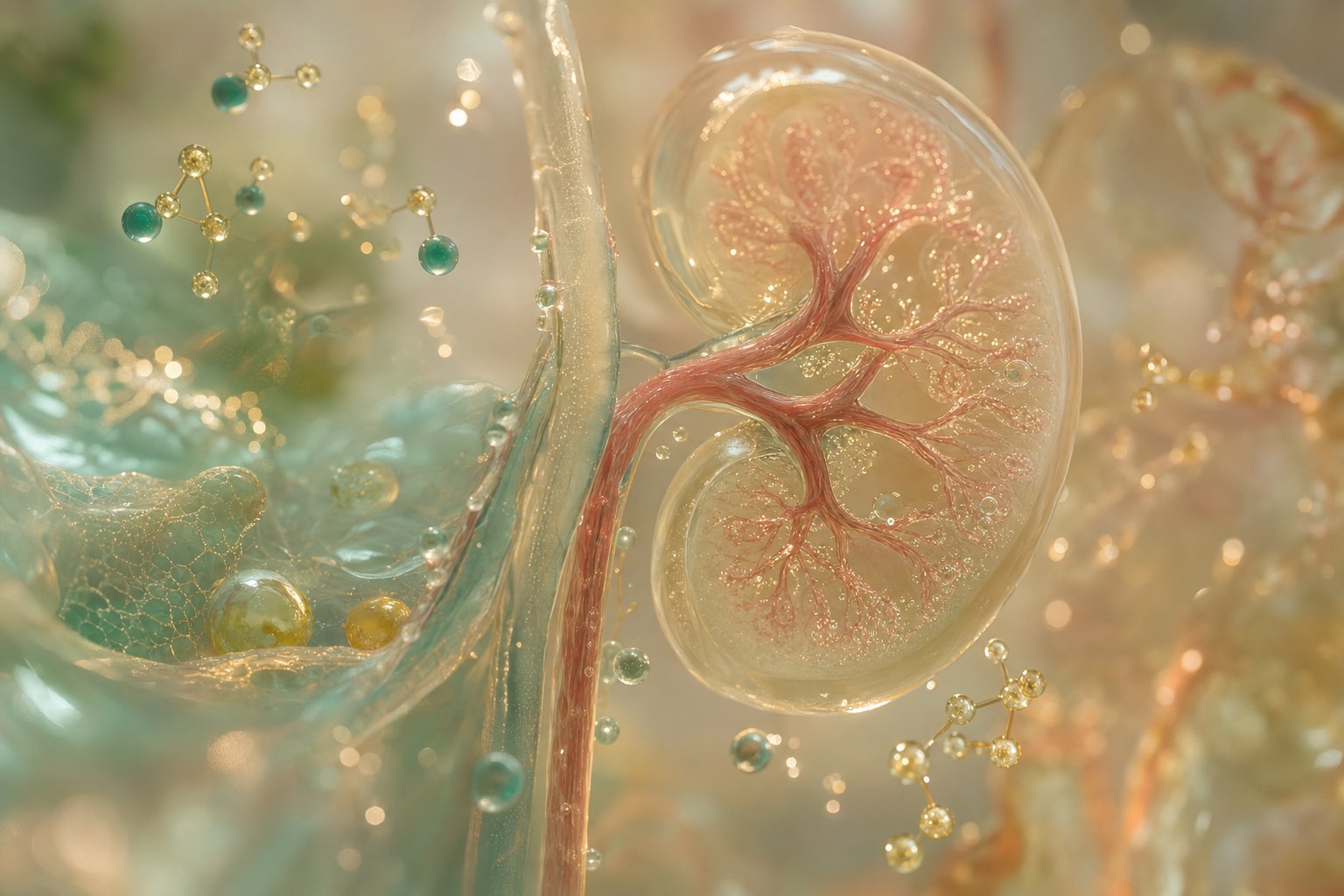
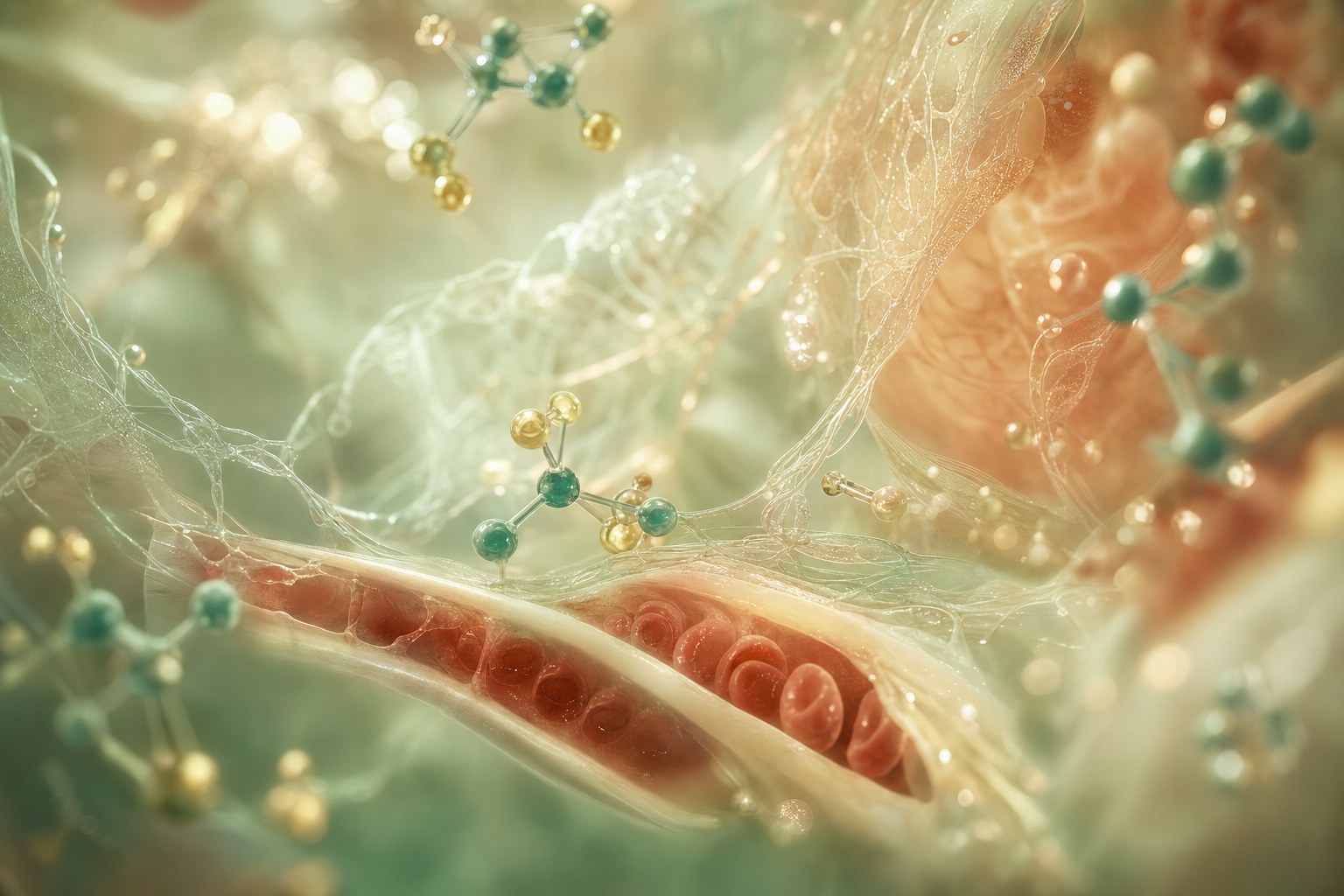
Coronary artery disease is driven by atherosclerosis, a progressive inflammatory and lipid-driven process in the artery wall. It often begins with endothelial dysfunction, where the vessel lining becomes less able to regulate tone and permeability, allowing apolipoprotein-B-containing lipoproteins—chiefly LDL and lipoprotein(a)—to enter and become retained in the subendothelial space. There they undergo oxidative modification, triggering monocytes to migrate in and mature into macrophages that engulf lipids and become foam cells, forming early fatty streaks. Smooth muscle cells migrate and lay down a fibrous cap over a growing lipid-rich core, producing a plaque. Chronic low-grade inflammation, reflected in markers such as high-sensitivity C-reactive protein, sustains this cycle, while shear stress, oxidative stress, and factors like hypertension, hyperglycemia, and insulin resistance accelerate it. Narrowed vessels can limit blood flow, and if a thin-capped plaque ruptures or erodes, the exposed core can provoke clot formation. Commonly assessed markers include LDL cholesterol, ApoB, lipoprotein(a), triglycerides, HDL, blood pressure, HbA1c, and hs-CRP, and research continues to explore how nutrition, activity, sleep, and body composition modulate these pathways.
What the Research Explores
- Explores the role of LDL, ApoB, and lipoprotein(a) in how atherosclerotic plaque forms and progresses
- Investigates whether earlier attention to lipids, blood pressure, and glucose helps clarify cardiovascular risk over time
- Examines how inflammation and markers such as hs-CRP relate to plaque stability in current research
- Studies how nutrition, physical activity, sleep, and tobacco avoidance are associated with vascular health
- Reviews commonly assessed markers—ApoB, lipoprotein(a), LDL, blood pressure, and HbA1c—as a combined picture
- Considers the place of cardiovascular optimization within broader longevity and healthy-aging strategies
Who May Find This Relevant
- People exploring elevated cholesterol, ApoB, or lipoprotein(a), or a family history of heart disease
- Those with related labs or findings such as high blood pressure, high glucose, or elevated hs-CRP
- Individuals focused on longevity and long-term cardiovascular and metabolic wellness
- Caregivers and partners seeking a clear, science-forward understanding of the condition
Important Considerations
This page is educational only and is not intended to diagnose, treat, cure, or prevent any disease. Coronary artery disease is a serious medical condition that must be evaluated and managed with your own physician, and whether and how any optimization support fits alongside that care is decided one-on-one with Dr. Rob, based on your labs, history, and goals. These statements have not been evaluated by the FDA, and individual situations and results vary.